

Safe Snow Removal for Metal Roofing
Posted on December 2, 2025 by Ceco Building Systems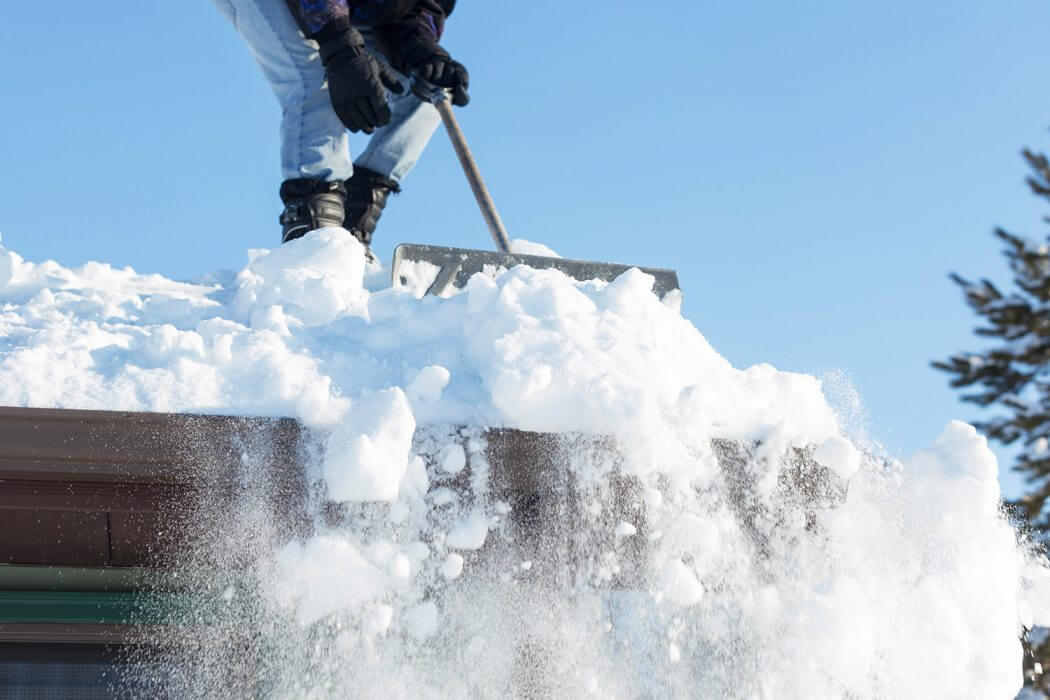
Protecting Your Metal Roof This Winter
Heavy snowfall can transform a landscape, but for building owners and facility managers with metal roofing, it also introduces concerns about safety and structural performance. The Metal Building Manufacturers Association (MBMA) offers important guidance in its Metal Building Systems Manual to help keep your Ceco metal building protected through winter weather.
When Does Snow Become a Concern?
Every metal roof is engineered to support a specific snow load determined by local building codes. These requirements can range from 10 to 20 psf in milder regions and exceed 40 psf in areas with severe winters. Because the weight of snow varies dramatically—light, fluffy snow weighs far less than dense, moisture-rich snow—estimating actual loads can be challenging.
As a general conservative guideline, MBMA suggests assuming at least 5 pounds per square foot per inch for heavy, wet snow. A roof designed for 20 psf could therefore reach its intended capacity with only 4 to 5 inches of dense accumulation. Always consult a qualified structural engineer to verify your building’s specific load limits and typical snow-density conditions in your area.
How Roof Pitch Impacts Snow Accumulation
The slope of your roof directly affects how snow behaves:
- Steep roofs (over 4:12 pitch) often shed snow naturally when sunlight or interior heat creates a slick layer beneath it.
- Low-slope roofs (under 4:12) tend to retain snow longer, allowing it to compact and freeze into heavier layers of ice.
Pay special attention to parapets, curbs, chimneys, elevation changes, and other features where drifting snow can collect. These drifted areas may carry loads several times greater than the rest of the roof surface. In addition, trapped snow can creep above flashings, increasing the potential for leaks during thaw cycles.
Best Practices for Removing Snow
When roof snow reaches potentially unsafe levels, partial removal is the preferred approach. MBMA advises avoiding metal shovels, ice picks, or sharp tools that may damage panel coatings, puncture the roof, or void warranties.
Follow these recommendations instead:
- Remove only the excess buildup, leaving a thin, uniform layer (2 to 3 inches) to protect the roof surface.
- Tackle high-drift areas first, then work methodically across the roof.
- Do not move cleared snow to other parts of the roof, which could overload those sections.
Keeping Your Crew Safe
Snow-covered metal roofs present significant safety risks. Always use appropriate fall protection, secure access points, and ensure ladders are stable. Hidden edges, skylights, and penetrations may be covered by snow, so crews must proceed with caution. Removing snow early, while it’s still light, reduces strain on workers and helps prevent dangerous ice formation.